---
title: "Software for collections and payments: what to evaluate"
description: What software for collections and payments must have to provide visibility, automate processes, and comply with tax requirements without slowing down collections.
image: https://afocirmbqdxnkyescnev.supabase.co/storage/v1/object/public/featured-images/74dd8729-2ce0-4fea-b7eb-3947a9758545/84185521-9f5a-4cdd-b59d-fa065f75938f.webp
---
English
- English
- [Español](https://www.efficientix.com/es/blog/software-para-cobranza-y-pagos-que-evaluar)
Send us a Message: [+1 786 546 6255](https://wa.me/17865466255)
Más resultados
[Access NetSuite](https://system.netsuite.com/pages/customerlogin.jsp?country=MX) [Contact Us](https://www.efficientix.com/en/contact?hsLang=en) [Access Support](https://www.efficientix.com/en/efficientix-technical-support?hsLang=en)
[](https://www.efficientix.com/?hsLang=en)
[](https://www.efficientix.com/?hsLang=en)
- [Home](https://www.efficientix.com/en/)
- NetSuite
- [NetSuite ERP](https://www.efficientix.com/en/netsuite-erp)
- [NetSuite EPM](https://www.efficientix.com/en/epm-netsuite)
- [NetSuite NSAW](https://www.efficientix.com/en/netsuite-nsaw)
- Partnerships
- [Integrations](https://www.efficientix.com/en/celigo-netsuite-integrator)
- [Point Of Sale](https://www.efficientix.com/en/zoku-pos-netsuite)
- [E-Commerce](https://www.efficientix.com/en/shopify-netsuite)
- [Manteinance Management](https://www.efficientix.com/en/shepherd-netsuite)
- [Human Resources](https://www.efficientix.com/en/software-rrhh)
- [Efficientix +](https://www.efficientix.com/apps-efficientix-for-netsuite)
- [Mexican Tax Localization](https://www.efficientix.com/en/netsuite-mexico-localization)
- [Mobile Sales App](https://www.efficientix.com/en/mobile-sales-app)
- [Expense Management App](https://www.efficientix.com/en/expense-management-app-netsuite)
- [Tax Suite](https://www.efficientix.com/en/tax-suite-netsuite)
- [Ask NetSuite](https://www.efficientix.com/en/ask-netsuite-ai-assistant)
- [POS](https://www.efficientix.com/en/point-of-sale-pos-netsuite)
- Industries
- [Financial Services](https://www.efficientix.com/en/erp-fintech)
- [Food & Beverage](https://www.efficientix.com/en/erp-food-beverage)
- [Livestock](https://www.efficientix.com/en/livestock-for-netsuite)
- [Manufacturing](https://www.efficientix.com/en/erp-manufacturing)
- [Pharmaceutical Distributor](https://www.efficientix.com/en/erp-medical-distributors)
- [Professional Services](https://www.efficientix.com/en/erp-professional-services)
- [Renewable Energy](https://www.efficientix.com/en/erp-renewable-energy)
- [Retail](https://www.efficientix.com/en/erp-retail)
- [StartUps](https://www.efficientix.com/en/erp-startups)
- [Transportation](https://www.efficientix.com/en/erp-transportation-mexico)
- [Telecommunications](https://www.efficientix.com/en/erp-for-telecommunications)
- [Wholesale](https://www.efficientix.com/en/erp-wholesale)
- Resources
- [Blog](https://www.efficientix.com/en/blog)
- [Success Stories](https://www.efficientix.com/en/success-stories)
- [EFX Learning](https://www.efficientix.com/en/efx-learning)
- About Us
- [Efficientix Services](https://www.efficientix.com/en/services-netsuite)
- [Efficientix Support](https://www.efficientix.com/en/support-netsuite)
- [About Efficientix](https://www.efficientix.com/en/about-us)
- [Contact](https://www.efficientix.com/en/contact)
En
- English
- [Español](https://www.efficientix.com/es/blog/software-para-cobranza-y-pagos-que-evaluar)
More results
- [Home](https://www.efficientix.com/en/)
- NetSuite
- [NetSuite ERP](https://www.efficientix.com/en/netsuite-erp)
- [NetSuite EPM](https://www.efficientix.com/en/epm-netsuite)
- [NetSuite NSAW](https://www.efficientix.com/en/netsuite-nsaw)
- Partnerships
- [Integrations](https://www.efficientix.com/en/celigo-netsuite-integrator)
- [Point Of Sale](https://www.efficientix.com/en/zoku-pos-netsuite)
- [E-Commerce](https://www.efficientix.com/en/shopify-netsuite)
- [Manteinance Management](https://www.efficientix.com/en/shepherd-netsuite)
- [Human Resources](https://www.efficientix.com/en/software-rrhh)
- [Efficientix +](https://www.efficientix.com/apps-efficientix-for-netsuite)
- [Mexican Tax Localization](https://www.efficientix.com/en/netsuite-mexico-localization)
- [Mobile Sales App](https://www.efficientix.com/en/mobile-sales-app)
- [Expense Management App](https://www.efficientix.com/en/expense-management-app-netsuite)
- [Tax Suite](https://www.efficientix.com/en/tax-suite-netsuite)
- [Ask NetSuite](https://www.efficientix.com/en/ask-netsuite-ai-assistant)
- [POS](https://www.efficientix.com/en/point-of-sale-pos-netsuite)
- Industries
- [Financial Services](https://www.efficientix.com/en/erp-fintech)
- [Food & Beverage](https://www.efficientix.com/en/erp-food-beverage)
- [Livestock](https://www.efficientix.com/en/livestock-for-netsuite)
- [Manufacturing](https://www.efficientix.com/en/erp-manufacturing)
- [Pharmaceutical Distributor](https://www.efficientix.com/en/erp-medical-distributors)
- [Professional Services](https://www.efficientix.com/en/erp-professional-services)
- [Renewable Energy](https://www.efficientix.com/en/erp-renewable-energy)
- [Retail](https://www.efficientix.com/en/erp-retail)
- [StartUps](https://www.efficientix.com/en/erp-startups)
- [Transportation](https://www.efficientix.com/en/erp-transportation-mexico)
- [Telecommunications](https://www.efficientix.com/en/erp-for-telecommunications)
- [Wholesale](https://www.efficientix.com/en/erp-wholesale)
- Resources
- [Blog](https://www.efficientix.com/en/blog)
- [Success Stories](https://www.efficientix.com/en/success-stories)
- [EFX Learning](https://www.efficientix.com/en/efx-learning)
- About Us
- [Efficientix Services](https://www.efficientix.com/en/services-netsuite)
- [Efficientix Support](https://www.efficientix.com/en/support-netsuite)
- [About Efficientix](https://www.efficientix.com/en/about-us)
- [Contact](https://www.efficientix.com/en/contact)
[Access NetSuite](https://system.netsuite.com/pages/customerlogin.jsp?country=MX)[Contact Us](https://www.efficientix.com/en/contact?hsLang=en)
Contáctanos: **[+52 55 8041 6312](https://wa.me/525580416312)**
Correo:[**info@efficientix.com**](mailto:info@efficientix.com)
# Software for collections and payments: what to evaluate
By [**Christian Salas**](https://www.efficientix.com/en/blog/author/christian-salas) on May 14, 2026, 12:24:52 PM
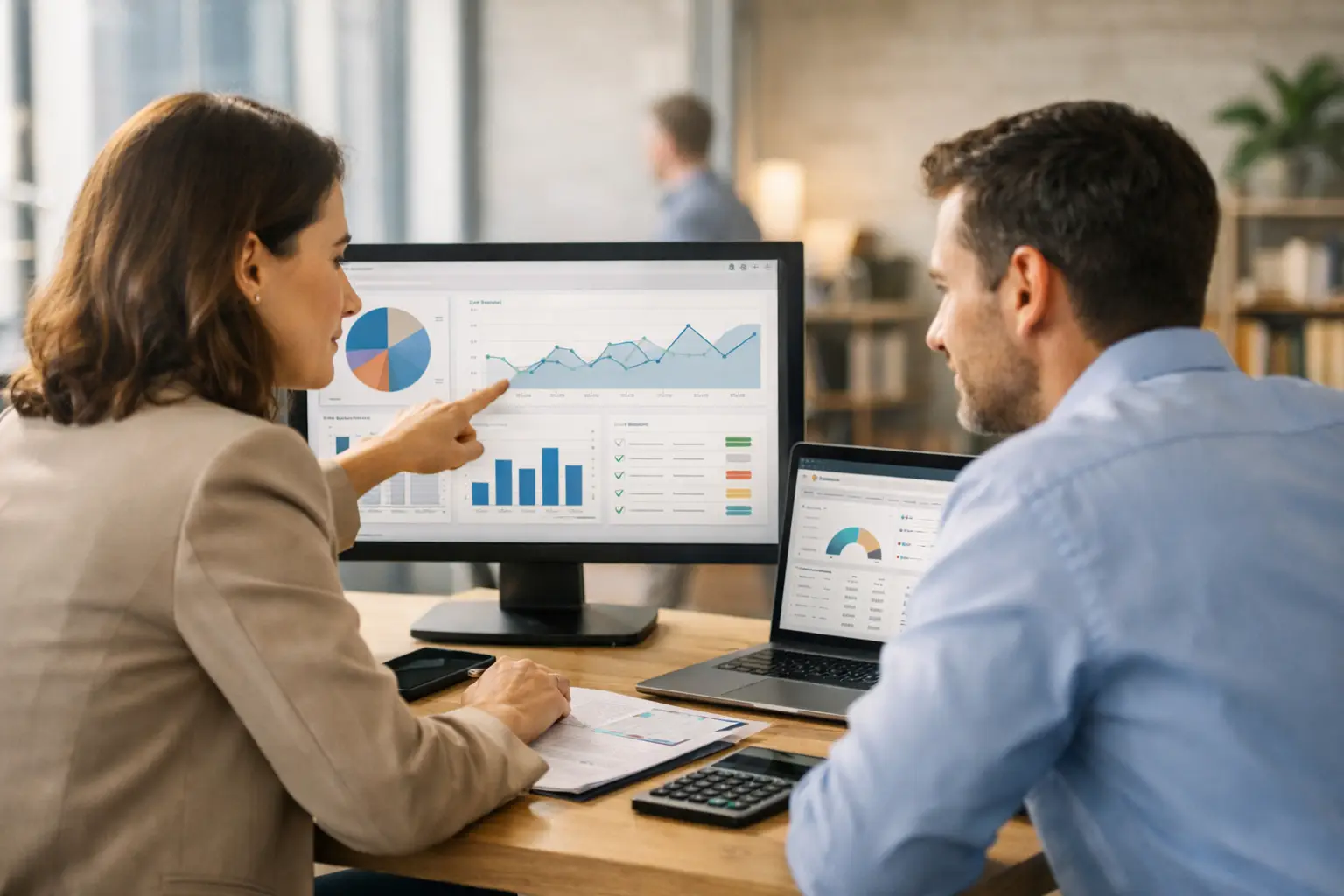
Late collection is rarely a problem of commercial will. It is usually a problem of process, visibility, and execution. When a company grows and operates with multiple entities, currencies, banks, or sales teams, software for collections and payments stops being a tactical tool and becomes a piece of financial control.
The point is not just to send reminders or record deposits. The point is to reduce days sales outstanding (DSO), reconcile faster, correctly issue payment complements when applicable, and give finance a reliable version of what was collected, what is overdue, and what requires action. If today that control lives between Excel, emails, bank portals, and manual tasks, you are already paying the cost in delays, errors, and a slower accounting close.
## What software for collections and payments really solves
The conversation usually starts with an operational need—automating follow-ups, recording collections, or centralizing banking information. But in mid-sized and expanding companies, the impact is greater. A good system connects accounts receivable, treasury, billing, and accounting so that collection does not remain isolated from the rest of the business.
That means the finance team can see aging of balances in real time, prioritize efforts by amount or risk, identify broken payment promises, and record the application of the collection without duplicating data entry. It also means management stops operating with partial figures. If the portfolio data does not match across sales, collections, and accounting, the problem is not individual discipline. It is architectural.
In Mexico and a large part of LATAM, there is also an additional factor: compliance. It is not enough to collect. The process must be properly documented, traceability maintained, and friction with tax and accounting requirements avoided. That is where many point solutions fall short.
## The most common error when choosing software for collections and payments
The error is not buying a simple tool. The error is buying an isolated tool.
When the software lives outside the ERP or connects in a limited way, the same old frictions appear with a more modern interface. The invoice is generated in one system, the collection is recorded in another, reconciliation happens separately, and accounting adjusts at month-end. It may seem functional for a few months, but it loses strength when volumes increase, new subsidiaries enter, or a consolidated view is needed.
Therefore, it is advisable to evaluate the complete process, not just the collections screen. A CFO does not need another pretty dashboard. They need certainty about cash flow, overdue portfolio, payment application, and financial close. A CIO, on the other hand, needs scalability, security, and fewer manual dependencies. If the tool does not respond to both fronts, the implementation is born limited.
## Capabilities that do make a difference
The first is useful automation. We are not talking about automating for the sake of a trend, but about reducing repetitive tasks that consume time and generate errors. Payment allocation, reminders by customer segment, expiration alerts, reconciliation with bank movements, and updating portfolio status are processes where operational savings are tangible.
The second is actionable visibility. It is not enough to know how much you are owed. You need to know who owes, since when, under what conditions, which executive is in charge, what commitments exist, and what impact that portfolio has on projected cash flow. When that information is consolidated, collection stops being reactive.
The third is traceability. In an audit, close, or internal review, every payment must have context. What invoice it settled, when it was applied, if it was partial, if it generated differences, if it required a credit note or a subsequent adjustment. That traceability reduces rework and improves control.
The fourth is local tax and operational capability. In Mexico, for example, operations cannot ignore [CFDI 4.0](https://www.efficientix.com/es/localizacion-netsuite-mexico?hsLang=en), payment complements, and electronic accounting. The system must facilitate compliance within the normal workflow, not force the creation of parallel processes.
## ERP integration: where ROI is at stake
This is where many decisions are won or lost. If the collections and payments software is integrated into the ERP, every collection impacts accounts receivable, treasury, accounting, and reporting with a single business logic. That reduces reconciliation times, avoids double data entry, and improves data quality.
If it is not, the cost appears later: fragile integrations, manual reconciliations, data incidents, and reliance on key personnel who know "how to arrange" the operation. That model works until the company grows, opens a new business unit, or needs to report by country, currency, or subsidiary.
In well-designed implementations, we have seen relevant reductions in operational collection and reconciliation time, as well as a clear improvement in the accuracy of the close. Not because the system does magic, but because it eliminates unnecessary steps and connects areas that previously worked separately.
## What to ask before making a decision
The correct evaluation does not start with the feature catalog. It starts with the current friction map.
It is worth asking how many systems are involved in the collection cycle today, how many hours are dedicated to manual reconciliation, how long payment application takes, what percentage of the portfolio requires manual follow-up, and how reliable the data is for management at the end of the week or month. Those answers show whether the problem is just collections or financial-operational design.
Then comes the technical part. Does the system support multi-company and multi-currency operations? Does it allow rules by customer, channel, or country? Does traceability reach accounting? Can it sustain growth without redesigning processes in six months? Does it help meet local tax requirements within the natural workflow?
It is also worth reviewing the implementation, not just the product. A suitable tool with a poor rollout delays results. The difference usually lies in the methodology, regional experience, and the ability to translate the financial process into real configuration, without unnecessary customizations.
## When a company has outgrown its current setup
There are quite clear signs. The first is when the collections team relies on spreadsheets to prioritize efforts or calculate balances. The second is when treasury and accounting close with different figures for several days. The third is when issuing tax documentation associated with the payment becomes a bottleneck.
Another frequent sign appears after an expansion. If the company opened operations in new geographies, absorbed another entity, or multiplied sales channels, the collection process usually feels it first. Control gaps appear in payment application, bank reconciliation, maturity tracking, and consolidated reporting.
At that point, adding more manual controls almost never solves the root issue. It only shifts the problem to the next close.
## The approach that works best in expanding companies
For companies operating in Mexico, the United States, LATAM, or the Caribbean, the most effective approach is usually an integrated approach on a [cloud ERP](https://www.efficientix.com/es/blog/erp-nube-agilidad-operativa?hsLang=en), with tax and operational localization from the start. Not because all companies need the same scope, but because growing with fragmented processes is more expensive than organizing the architecture in time.
When that foundation is combined with implementation methodology, training, and post-go-live support, the time-to-value improves visibly. The reason is simple: the project does not stop at activating features, but brings them into real operation with criteria for control, adoption, and compliance.
That is where a firm like Efficientix adds practical value. Not from the discourse of generic software, but from execution on NetSuite and an ecosystem of applications that extend financial and operational processes with regional logic. For a purchasing committee, that matters more than a long list of features, because it reduces project risk.
## What a good decision looks like
A good decision does not always mean choosing the platform with the most modules. It means choosing the one that solves the current bottleneck and sustains the next level of growth.
If your operation is simple, automating reminders and centralizing payments might be enough. If you manage multiple entities, high transactional volume, or specific tax requirements, you need something deeper: [real integration with an ERP](https://www.efficientix.com/es/blog/centralizar-inventarios-y-finanzas?hsLang=en), complete traceability, and the ability to scale without breaking the financial model.
The best question is not "which software has the most features." The best question is "what architecture allows us to collect better, close faster, and operate with less risk in the next three years." When that question guides the evaluation, the purchase stops being tactical and becomes a business decision.
In the end, collecting well does not depend solely on chasing invoices. It depends on designing a process where information arrives on time, compliance does not get in the way, and the finance team can spend more hours deciding than correcting.
Share this
[Share on X](https://x.com/intent/post?url=https://www.efficientix.com/en/blog/software-for-collections-and-payments-what-to-evaluate&text=Software+for+collections+and+payments%3A+what+to+evaluate) [Share on Facebook](https://www.facebook.com/sharer/sharer.php?u=https://www.efficientix.com/en/blog/software-for-collections-and-payments-what-to-evaluate&t=Software+for+collections+and+payments%3A+what+to+evaluate) [Share on LinkedIn](https://www.linkedin.com/shareArticle?mini=true&url=https://www.efficientix.com/en/blog/software-for-collections-and-payments-what-to-evaluate&t=Software+for+collections+and+payments%3A+what+to+evaluate)
Previous story
[← ERP for wholesale companies: what to demand](https://www.efficientix.com/en/blog/erp-for-wholesale-companies?hsLang=en)
Next story
[NetSuite EPM for financial planning →](https://www.efficientix.com/en/blog/netsuite-epm-for-financial-planning?hsLang=en)
## You May Also Like
These Related Stories
[NetSuite AI: where it truly generates real value](https://www.efficientix.com/en/blog/netsuite-ai-real-value?hsLang=en)
### NetSuite AI: where it truly generates real value
May 15, 2026, 2:28:49 PM 5 min read
[How to scale operations with NetSuite](https://www.efficientix.com/en/blog/how-to-scale-operations-with-netsuite?hsLang=en)

### How to scale operations with NetSuite
May 14, 2026, 1:44:36 PM 5 min read
[Automating accounting close with ERP without friction](https://www.efficientix.com/en/blog/automating-accounting-close-with-erp?hsLang=en)

### Automating accounting close with ERP without friction
May 14, 2026, 9:51:18 AM 5 min read
[](https://www.efficientix.com/es/inicio?hsLang=en)
##### Oracle NetSuite Partner in USA, Mexico, LATAM and Caribbean.
[mailto:info@efficientix.com](mailto:info@efficientix.com)
NetSuite ERP
- [Cloud ERP + AI](https://www.efficientix.com/en/netsuite-erp?hsLang=en)
- [Performance Management](https://www.efficientix.com/en/epm-netsuite?hsLang=en)
- [Analytics Warehouse](https://www.efficientix.com/en/netsuite-nsaw?hsLang=en)
- [NetSuite Consultancy](https://www.efficientix.com/en/services-netsuite?hsLang=en)
- [NetSuite Support](https://efficientix.zendesk.com/hc/es-419)
- [Mexican Tax Localization](https://www.efficientix.com/en/netsuite-mexico-localization?hsLang=en)
NetSuite Industries
- [Retail](https://www.efficientix.com/en/erp-retail?hsLang=en)
- [Manufacturing](https://www.efficientix.com/en/erp-manufacturing?hsLang=en)
- [Wholesale](https://www.efficientix.com/en/erp-wholesale?hsLang=en)
- [Startups](https://www.efficientix.com/en/erp-startups?hsLang=en)
- [Food and Beverage](https://www.efficientix.com/en/erp-food-beverage?hsLang=en)
- [Renewable Energy](https://www.efficientix.com/en/erp-renewable-energy?hsLang=en)
- [Medical Distribution](https://www.efficientix.com/en/erp-medical-distributors?hsLang=en)
- [Fintech](https://www.efficientix.com/en/erp-fintech?hsLang=en)
- [Professional Services](https://www.efficientix.com/en/erp-professional-services?hsLang=en)
Resources
- [Blog SuiteSuccess](https://efficientix.com/en/blog?hsLang=en)
- [Guides & Dossiers](https://www.efficientix.com/es/efx-learning?hsLang=en)
- Success Stories
- [Help Desk](https://efficientix.zendesk.com/)
- [NetSuite Login](https://system.netsuite.com/pages/customerlogin.jsp)
About Efficientix
- Our Story
- [Join to our team](mailto:rh@efficientix.com)
- [Contact](https://www.efficientix.com/en/contact?hsLang=en)
- [Send us a message](https://wa.me/17869840191?text=I%20want%20to%20know%20more%20about%20efficientix)
Copyright © 2026 Efficientix | USA and Caribbean
- [Privacy Note](https://www.efficientix.com/hubfs/Descargables%202025%20EFX/Efficientix%20-%20Privacy%20Policy%202025.pdf?hsLang=en)
- [1101 Brickell Ave Tower, 8th Floor-2A, Miami, FL 33131, United States](https://maps.app.goo.gl/9zvhcmBoEAnLJEB87)
```json
{
"@context" : "https://schema.org",
"@type" : "BlogPosting",
"author" : {
"@type" : "Person",
"name" : "Christian Salas",
"url" : "https://www.efficientix.com/en/blog/author/christian-salas"
},
"dateModified" : "2026-05-14T18:24:52.464Z",
"datePublished" : "2026-05-14T18:24:52.000Z",
"headline" : "Software for collections and payments: what to evaluate",
"image" : [ "https://afocirmbqdxnkyescnev.supabase.co/storage/v1/object/public/featured-images/74dd8729-2ce0-4fea-b7eb-3947a9758545/84185521-9f5a-4cdd-b59d-fa065f75938f.webp" ],
"mainEntityOfPage" : {
"@id" : "https://www.efficientix.com/en/blog/software-for-collections-and-payments-what-to-evaluate",
"@type" : "WebPage"
},
"publisher" : {
"@type" : "Organization",
"logo" : {
"@type" : "ImageObject",
"url" : "https://www.efficientix.com/hubfs/Efficientix%20Color%20NS%20Partner%20Web.png"
},
"name" : "Free Bug S de RL de CV"
}
}
```
```json
{
"@context" : "https://schema.org",
"@type" : "Organization",
"contactPoint" : [ {
"@type" : "ContactPoint",
"areaServed" : [ "México", "Guatemala", "El Salvador", "Honduras", "Costa Rica", "Panamá", "Perú", "Colombia" ],
"availableLanguage" : [ "es", "en" ],
"contactType" : "sales",
"telephone" : "+525580416312",
"url" : "https://www.efficientix.com/es/contacto"
}, {
"@type" : "ContactPoint",
"areaServed" : [ "United States", "Belice", "Dominica", "Jamaica", "Republica Dominicana", "Puerto Rico", "Trinidad y Tobago" ],
"availableLanguage" : [ "es", "en" ],
"contactType" : "sales",
"telephone" : "+17865466255",
"url" : "https://www.efficientix.com/en/contact"
} ],
"description" : "Efficientix es una consultora de software empresarial especializada en la implementación de Oracle NetSuite. Simplificamos la gestión empresarial para mejorar la eficiencia operativa de las empresas.",
"founder" : {
"@type" : "Person",
"alumniOf" : "ITAM",
"image" : "https://www.efficientix.com/hubfs/Fotos%20Colaboradores%202025/Efficientix/Christian%20Salas.png",
"jobTitle" : "Fundador y Director General",
"name" : "Christian Salas",
"sameAs" : "https://www.linkedin.com/in/christiansalas"
},
"foundingDate" : "2010",
"knowsAbout" : [ "Retail", "Manufacturing", "Wholesale Distribution", "Professional Services", "Health", "Renewable Energy Projects", "Technology Startups" ],
"location" : [ {
"@type" : "Place",
"address" : {
"@type" : "PostalAddress",
"addressCountry" : "MX",
"addressLocality" : "Ciudad de México",
"addressRegion" : "CDMX",
"postalCode" : "05100",
"streetAddress" : "Camino al Olivo 15, Lomas de Vista Hermosa"
},
"hasMap" : "https://maps.app.goo.gl/UEMKL4x3bQkyLkq5A",
"name" : "Efficientix CDMX"
}, {
"@type" : "Place",
"address" : {
"@type" : "PostalAddress",
"addressCountry" : "US",
"addressLocality" : "Miami",
"addressRegion" : "FL",
"postalCode" : "33131",
"streetAddress" : "1101 Brickell Ave South Tower, 8th Floor-2A"
},
"hasMap" : "https://maps.app.goo.gl/HhYmnedBvwKWjYUU6",
"name" : "Efficientix Miami"
}, {
"@type" : "Place",
"address" : {
"@type" : "PostalAddress",
"addressCountry" : "US",
"addressLocality" : "San Antonio",
"addressRegion" : "TX",
"postalCode" : "78216",
"streetAddress" : "400 Portland Rd Building #2 Suite 106"
},
"hasMap" : "https://maps.app.goo.gl/n3kXx5or3GySDr47A",
"name" : "Efficientix San Antonio"
} ],
"logo" : "https://www.efficientix.com/hs-fs/hubfs/Logos/Logo%20Efficientix%20Semi%20Blanco%20-PNG.png",
"makesOffer" : [ {
"@type" : "Offer",
"itemOffered" : {
"@type" : "Service",
"name" : "SuiteFoundations"
}
}, {
"@type" : "Offer",
"itemOffered" : {
"@type" : "Service",
"name" : "Multibook NetSuite"
}
}, {
"@type" : "Offer",
"itemOffered" : {
"@type" : "Service",
"name" : "Tax Localization for Mexico"
}
}, {
"@type" : "Offer",
"itemOffered" : {
"@type" : "Service",
"name" : "SuiteSuccess"
}
}, {
"@type" : "Offer",
"itemOffered" : {
"@type" : "Service",
"name" : "NetSuite Implementation"
}
}, {
"@type" : "Offer",
"itemOffered" : {
"@type" : "Service",
"name" : "NetSuite Integrations"
}
} ],
"name" : "Efficientix",
"sameAs" : [ "https://www.linkedin.com/company/efficientix", "https://www.youtube.com/channel/UCNp7plLsWjCnRPedphTR36g", "https://www.instagram.com/efficientix", "https://www.facebook.com/efficientix.mx" ],
"url" : "https://www.efficientix.com"
}
```
```json
{
"@context" : "https://schema.org",
"@type" : "BreadcrumbList",
"itemListElement" : [ {
"@type" : "ListItem",
"item" : "https://www.efficientix.com/es/",
"name" : "Inicio",
"position" : 1
}, {
"@type" : "ListItem",
"item" : "https://www.efficientix.com/es/blog/",
"name" : "Blog",
"position" : 2
} ]
}
```